The Help First Responders Deserve
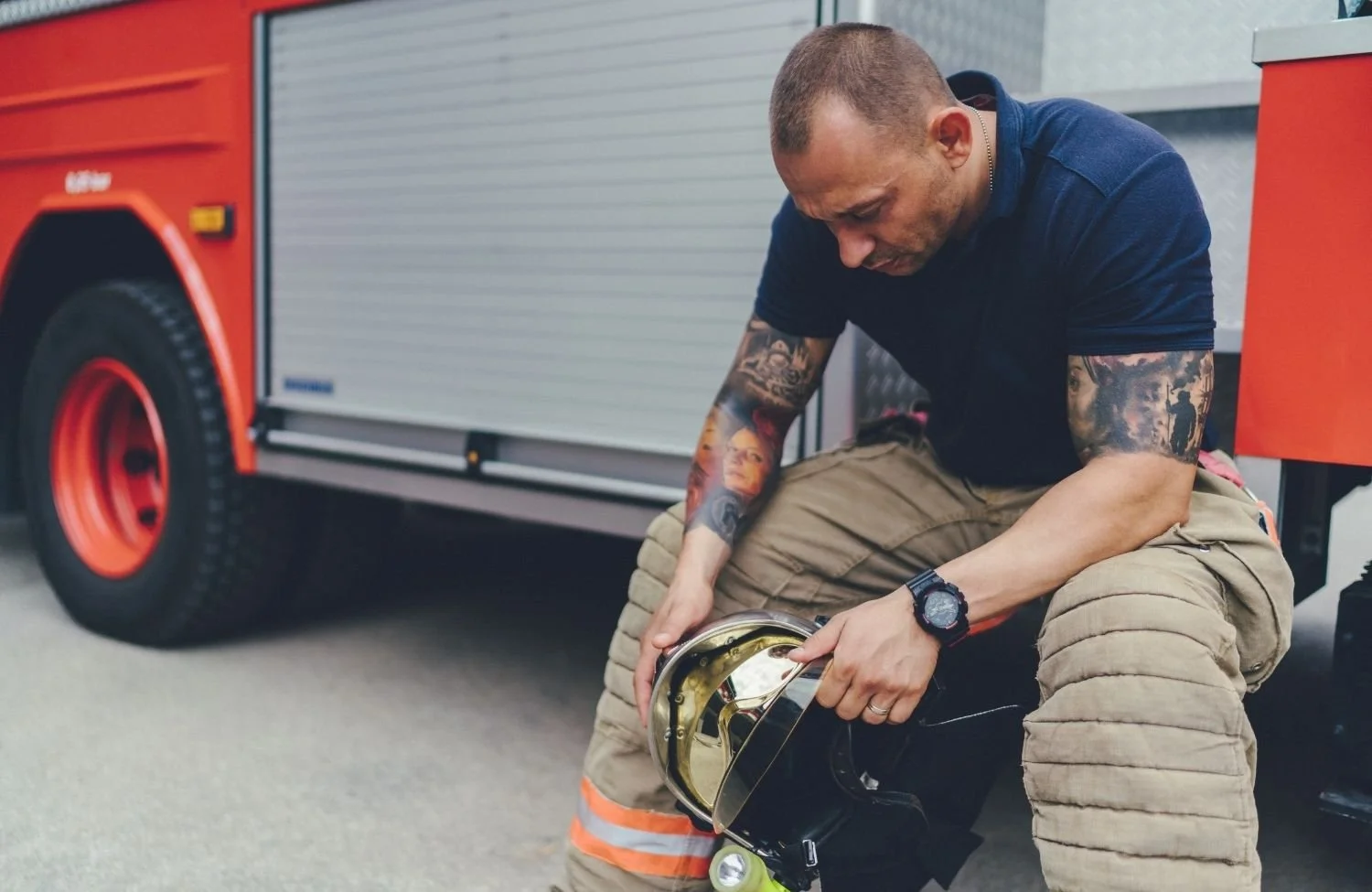
Clients often come to therapy to decrease stress, increase a sense of purpose, or improve relationships. But before these goals can be achieved, they need to feel understood. People often hesitate to seek help because they fear their therapist just won’t get them.
For first responders, this fear is completely understandable. Their responsibilities, schedule, and lifestyle are all unique. They see people in their worst moments and place the public’s safety above their own. They deal with dangerous, unpredictable situations that many of us can only imagine.
If a police officer, fireman, or paramedic is willing to take the leap of faith into psychotherapy, it is incumbent upon the therapist to be curious and non-judgmental about their experience. In this blog, I outline how a first responder can identify the right therapist for them, and which styles of counselling may be most useful.
Who to Look for
Therapists have expertise in mental health, but you are the expert in your own life. Be wary of a clinician who assumes they understand your professional or personal circumstances from the get-go. Rather, they should take the time to learn about your occupation, relationships, and life story. Of course, it is helpful to work with someone with experience treating first responders. But even then, an effective psychotherapist will not impose their biases onto you or presume that your issues mirror those of other clients with the same job.
What to Look for
While each first responder has their own idiosyncratic challenges, the most common one they seek help for is emotional overwhelm. The gold standard treatment for building emotional awareness and coping skills is cognitive-behavioural therapy (CBT). This modality aims to help you interrogate your negative thoughts about yourself, other people and the world in general, and come to more balanced, constructive ones. Once you start thinking more rationally, you’ll feel more emotionally balanced, and therefore make more wise decisions; choices that are better for you, the people you meet on the job, and the ones you love.
Most importantly, don’t be afraid to ask for what you want from therapy. For instance, if you’re looking for tools to cope with anxiety, make sure your psychotherapist can provide them. If you want someone to help you process challenging calls, check if they have the appropriate training to do so. Therapy isn’t one-size-fits-all, so it’s important that your clinician can meet your particular needs.
How can I Help?
As someone with training in CBT and experience treating first responders, I would be honoured to support you on the path to emotional stability, self-confidence, and stronger relationships. I can help you find balance between self-compassion for the challenges you face and confidence that you can overcome them.
Talking about these struggles is a sign of strength, not weakness. I’m hoping that together we can harness that courage to help you live a happier, more fulfilling and intentional life. If you think we might be a good fit, please feel free to book a complimentary consultation.